A workplace fire prevention plan should clearly define safety policies and procedures aligned with OSHA and NFPA standards to minimize fire risks. This includes using early fire detection and alarm systems, proper handling and storage of flammable materials, safe operation of electrical and heating equipment, and applying control measures for open flames and combustible goods within the facility environment.
1) Types of Fire Protection Equipment
A comprehensive fire prevention plan should outline both proactive and reactive fire protection equipment. Proactive equipment includes early-detection and alarm systems, which identify abnormal conditions such as rising temperatures or smoke before ignition occurs.
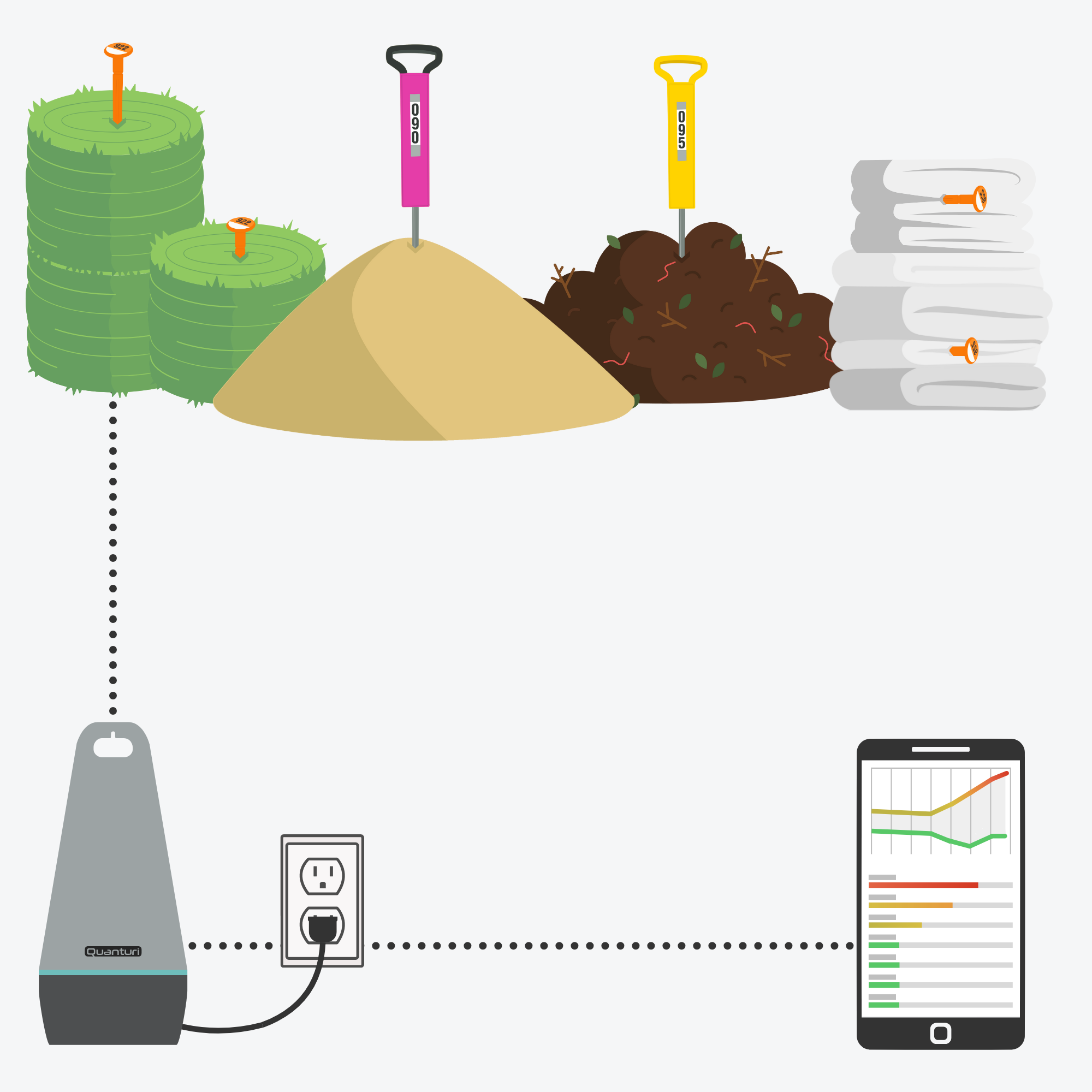
For example, an early fire-detection system with temperature-monitoring capabilities, such as the Quanturi Temperature Monitoring Systems, are widely used in environments with fire risks, including laundries, composting facilities, hay and straw storage, wood-processing areas, and other storages that handle combustible materials.
Reactive equipment includes fire extinguishers and other initial fire-suppression tools designed to control or contain a fire if it occurs. These devices help prevent the spread of flames to adjacent rooms, building structures, or surrounding property.
2) Emergency Evacuation Plan
The plan must detail how employees should evacuate during a fire, making sure that all exits are clearly marked, unobstructed, and well-lit. It should specify the use of emergency alarms, clearly identify assembly points, and outline routes for a quick and orderly evacuation.
3) Emergency Response Plan
A strong fire prevention plan designates specific roles and responsibilities during a fire emergency. It should state who will contact the fire department, who will trigger the alarm, and how the evacuation process will be managed. Coordination with local emergency services should also be considered.
4) Employee Training Programs
Employees should be trained regularly on fire prevention practices and emergency procedures. Training should cover the proper use of fire extinguishers, recognizing fire hazards, following evacuation routes, and understanding the company’s fire safety protocols.
5) Maintenance and Inspection Protocols
Routine inspections and maintenance are essential to ensure fire safety systems and equipment are fully functional. The plan should include scheduled checks of fire alarms, extinguishers, sprinkler systems, electrical wiring, and ventilation units, as well as prompt correction of any identified fire hazards.